Concrete Cutting
When a sunken or damaged slab is too far gone to lift, precise concrete cutting removes the section cleanly so it can be replaced properly.
Learn more →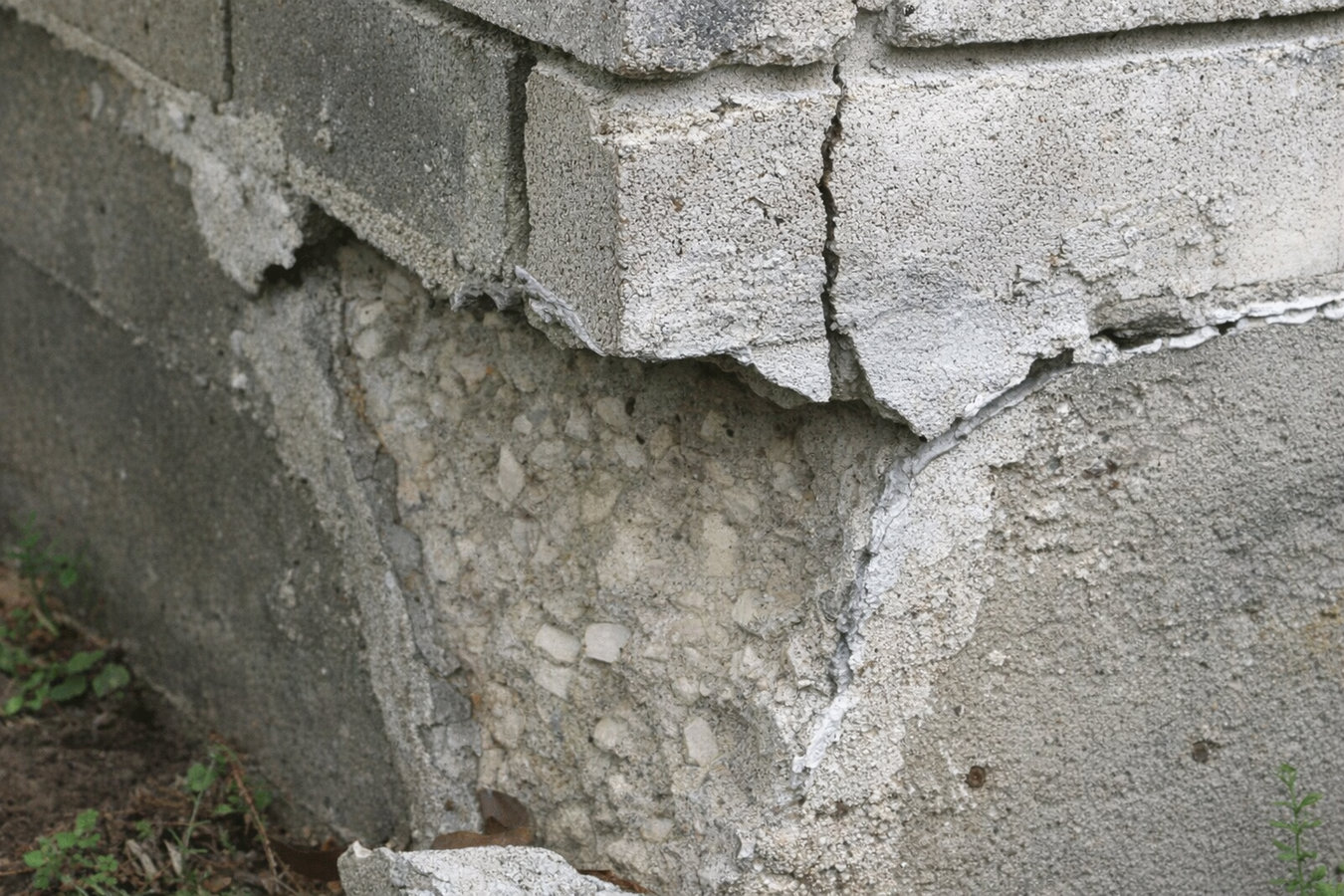
Sunken driveway, tilted patio, or dropping garage floor? We lift and level concrete in Jurupa Valley without tearing it out, saving you time and money.
Foundation raising in Jurupa Valley lifts sunken concrete back to its original height by pumping material into the void underneath - most residential driveway, patio, or garage floor jobs are completed in two to six hours and you can walk on the surface the same day.
Most slabs in this area sink because the clay-heavy soil underneath shifts with the seasons. The ground swells when it absorbs winter rain and shrinks during the long, dry Jurupa Valley summers, and that cycle eventually creates a void under the concrete. Once that void forms, the slab tilts or drops - and the longer you wait, the wider the gap gets.
In cases where the slab itself is too damaged to lift, we can move into concrete cutting to remove the compromised section cleanly and prepare the area for a proper repour.
If you can see a clear lip or step where two sections of your driveway or patio meet, one panel has sunk lower than the other. In Jurupa Valley, this often happens after a wet winter when the clay soil underneath absorbs water unevenly and then dries out at different rates. That step is also a tripping hazard - and the longer it goes unaddressed, the more the gap tends to widen.
Standing water that collects in the same spot after every rain is a sign the surface has tilted or dropped, creating a low point that traps runoff. Jurupa Valley's rainy season runs from late fall through early spring, and if you start noticing new puddles forming on your patio or driveway after storms, the slope of the slab has changed. Water sitting near your foundation speeds up the damage underneath.
A gap forming between your garage floor and the wall it used to touch, or between a step and the house, means the concrete has pulled away as it sank. This is a visible, measurable sign that the ground has shifted. The wider the gap, the longer the problem has been developing - and the harder it becomes to get a clean lift without additional base work.
Tap the surface of a suspicious area with your heel or a rubber mallet. A slab with good ground contact sounds dense. A slab sitting over a void sounds hollow or slightly springy underfoot. This is one of the simplest checks you can do yourself before calling a contractor - and if you hear or feel it, the void is already there.
We use two lifting methods depending on what the job calls for. The first is mudjacking - pumping a cement-and-soil slurry under the slab through small drilled holes. It has been used for decades, it is durable, and it works well on most residential surfaces in Jurupa Valley. The second is polyurethane foam injection, which uses an expanding foam that is lighter than slurry, cures faster, and tends to last longer because it does not shrink or wash away over time. We assess the slab, the void depth, and the drainage conditions before recommending a method - not the other way around.
Every job includes a drainage check before we start lifting. In Jurupa Valley, skipping that step is the most common reason a slab sinks again within a few years. If water is actively finding its way under the slab, lifting it without addressing that path just restarts the clock. We also check whether a permit is required through Riverside County's building department - some structural lifting projects do require one, and we handle the application so you do not have to. Clients with more extensive foundation damage sometimes need a full new slab, which we cover through our slab foundation building service.
Suits homeowners with standard residential slabs - driveways, garage floors, or patio sections - where the slab is in good condition and the void is moderate in depth.
Best for homeowners who want a faster cure, a lighter material load on soft soils, or a longer-lasting repair than slurry-based mudjacking typically provides.
For homeowners near the Santa Ana River corridor or in low-lying parts of the city where water infiltration under slabs is an ongoing issue, not just a one-time event.
Recommended for homeowners who are unsure whether raising or replacement is the right call - we walk the slab, assess the void, and give a straight answer before quoting.
A large share of homes in Jurupa Valley were built between the 1960s and 1990s, and concrete poured during that era was often placed on soil that was not compacted to the standards used today. Combine that with the expansive clay soil that runs through much of the Santa Ana River corridor and the Jurupa Hills, and you get a predictable pattern - older slabs that sink gradually over years as the ground below them shifts with each wet-dry cycle. It is not a fluke when it happens on your property; it is a pattern that plays out across the city every season. The International Concrete Repair Institute documents soil-related slab movement as one of the most common repair triggers in warm, semi-arid climates like ours.
We serve homeowners throughout Jurupa Valley and the surrounding Inland Empire, including clients in Riverside and Corona. Timing matters in this city - late spring tends to be the best window for lifting work because the soil has stabilized after winter rain. Doing the job while the ground is still saturated can lead to the slab settling again as the clay dries out and contracts through the summer. If you notice a problem during the rainy season, it is worth getting an assessment right away and scheduling the actual lift once the ground has had a few weeks to stabilize.
When you call, we ask where the slab is, roughly how much has sunk, and whether you have noticed any cracks or water pooling nearby. We reply to all inquiries within one business day and can usually schedule an on-site visit within a few days.
A crew member walks the area with you, looks at the slab from multiple angles, checks the likely drainage path, and may tap the surface to listen for voids. This visit usually takes 30 to 60 minutes. We explain what we find in plain terms and give you a written quote before leaving.
The crew drills small holes - roughly the size of a quarter - across the sunken area, inserts a nozzle, and pumps material underneath while watching the slab rise. The lifting itself is often done in under an hour for a typical residential slab; the full job including setup and cleanup usually takes two to six hours.
Every drilled hole is filled and patched with concrete before the crew leaves. You can walk on the surface the same day. If the repair covers a driveway or area where vehicles park, wait at least 24 hours before driving on it. No follow-up visits needed unless drainage corrections were part of the scope.
Free on-site estimate. Written quote before any work starts. No pressure to commit.
(951) 393-1148We assess drainage and soil conditions before drilling a single hole. In Jurupa Valley, the clay soil and the seasonal water cycle are what cause most voids to form - and lifting without addressing that is how a repair fails within two or three years. That check is part of every job we do here, not an add-on.
Jurupa Valley uses Riverside County for building permit oversight, and some lifting projects - especially those near a foundation wall - do require one. We verify what applies to your job before we start and pull the permit through Riverside County Building and Safety when it is required - so you are never left with an unpermitted repair on your record.
We serve homeowners throughout Jurupa Valley and the wider Inland Empire - including neighborhoods in older parts of the city where soil-related slab sinking is especially common. Our knowledge of this area's wet-dry cycles means we schedule and plan lifting jobs with local conditions in mind, not a generic calendar.
If your slab needs replacement rather than lifting, we will tell you that - not push you toward a repair that will not hold. Raising makes sense when the concrete itself is structurally sound. When it is not, we are honest about it and can move to a full repour through our slab services rather than sell you a lift that buys six months.
Every job starts with a written quote and a clear explanation of what we found. No line items added after the crew leaves.
When a sunken or damaged slab is too far gone to lift, precise concrete cutting removes the section cleanly so it can be replaced properly.
Learn more →Full new slab pours for additions, ADUs, or sections where raising is no longer the right solution and a fresh start makes more sense.
Learn more →Late spring is the best window for slab lifting in Jurupa Valley - schedule before the summer rush fills the calendar.